
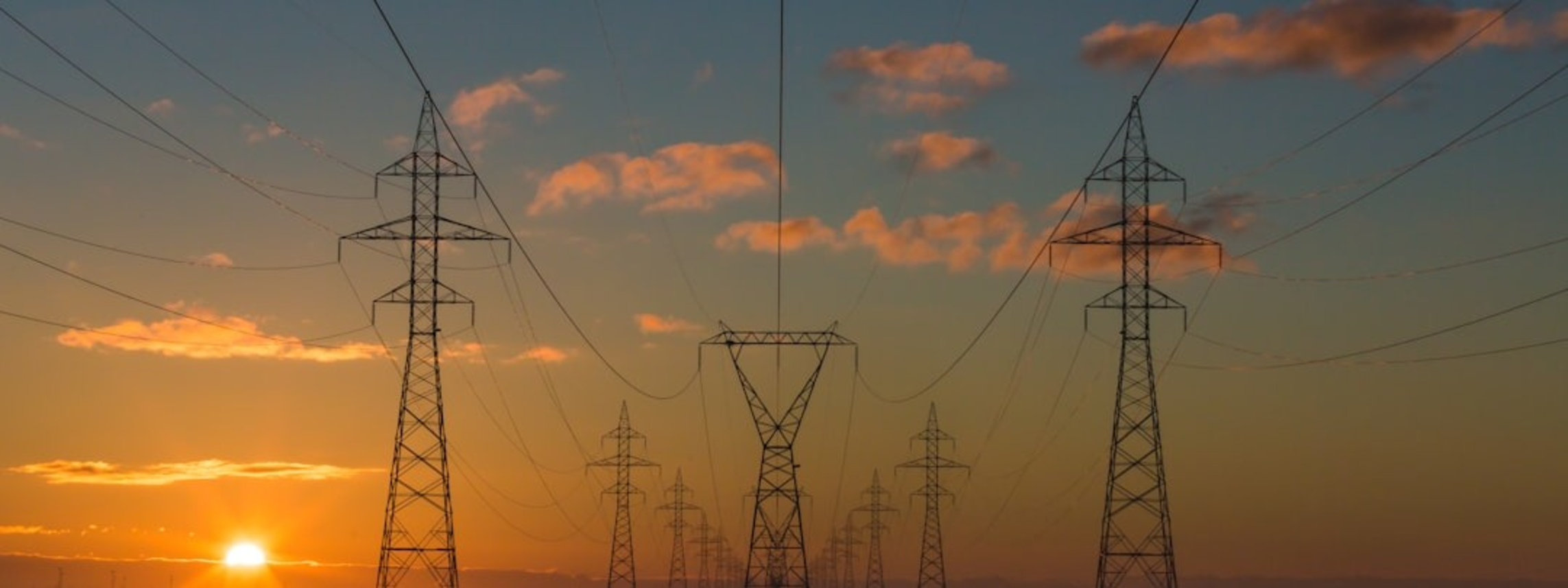
Europe’s Energy and Industry at a Crossroads: Baltic Power Link and Germany’s Automotive Challenges
Baltic energy integration and German industry under pressure
Key developments shaping Europe’s energy and industrial future
Baltic states and Germany plan offshore power link
Lithuania, Latvia and Germany have agreed to jointly assess the feasibility of a large scale offshore electricity interconnector in the Baltic Sea. The initiative marks an important step toward deeper European energy integration.
The proposed project, referred to as the Baltic German PowerLink, would combine a subsea electricity cable with offshore wind connections. This hybrid interconnector could transmit renewable energy across borders. Initial plans suggest a cable of around 600 kilometres with a capacity of up to 2 gigawatts, linking Germany with the Baltic region.
The project is intended not only to facilitate electricity trade, but also to integrate offshore wind energy from Lithuania and Latvia into the wider European grid. It is expected to strengthen energy security, reduce dependence on fossil fuels and support more competitive electricity prices through cross border market integration.
Transmission system operators from the three countries, including Litgrid, Augstsprieguma tīkls and 50Hertz, will now carry out technical and economic feasibility studies. These will include financing options and cost benefit analyses.
If the project proves viable, it could be completed by the late 2030s and may qualify for European Union support as a Project of Common Interest. Additional Baltic Sea countries could potentially join at a later stage.
The initiative reflects a broader regional effort to expand offshore wind capacity and to more closely integrate Baltic electricity markets with continental Europe.
German car industry faces structural transformation
Germany’s automotive sector, long regarded as a cornerstone of Europe’s industrial strength, is facing a period of significant structural change.
The industry is under pressure from declining sales, shrinking profit margins and the rapid transition toward electric vehicles. Competition from Chinese manufacturers is intensifying, particularly in the electric vehicle segment, while German companies continue to face high costs related to electrification and digital transformation.
Demand in key markets, including Europe and China, has weakened. At the same time, geopolitical factors such as trade tensions and shifting supply chains are adding further uncertainty.
German carmakers, traditionally dominant in premium combustion engine vehicles, are finding it difficult to keep pace with faster innovation cycles driven by software and new technologies. Parts of the supply chain are also reassessing their long term presence in Germany, with some companies reducing or relocating investments.
Despite these challenges, the sector remains a central pillar of the German economy. Its future will depend on how effectively it adapts to electrification, digitalisation and a more competitive global environment.
Conclusion
Both developments illustrate a broader transformation within Europe’s economic landscape. The planned Baltic German interconnector highlights the shift toward integrated and renewable based energy systems. At the same time, the challenges facing Germany’s automotive industry demonstrate the pressures on established sectors to adapt to technological change and global competition.
Together, they underline a common trend. Europe is reshaping its economic foundations with a stronger focus on sustainability, resilience and competitiveness.